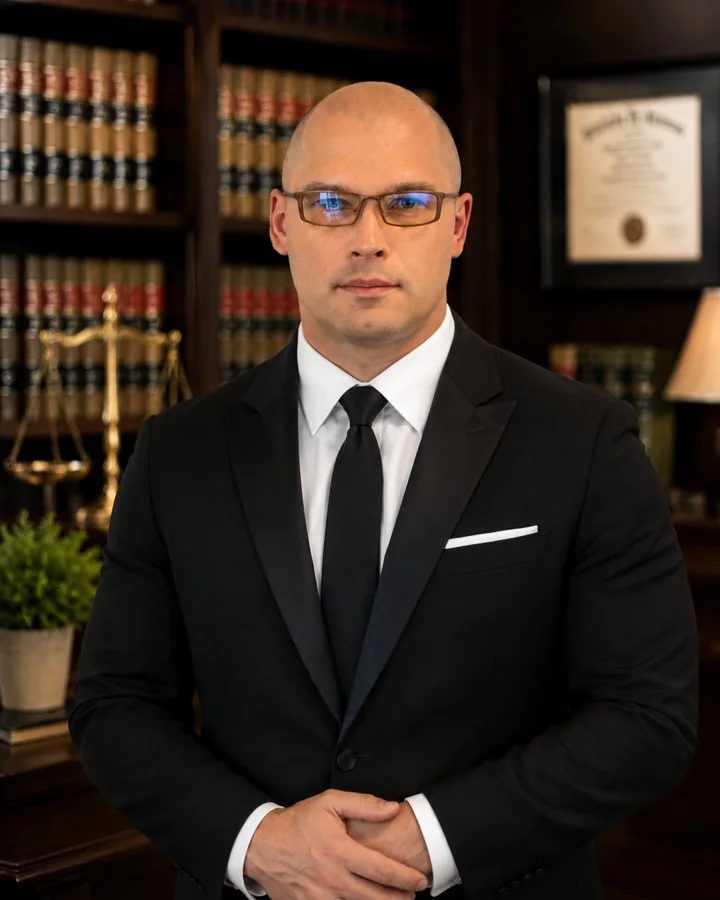
Daniel J. SchendzielosJ.D., Ph.D.
Ph.D., Kennedy University, May 28, 2026 (aviation law, artificial intelligence & autonomous systems) · Colorado trial attorney, 30+ years · Adjunct Professor of Law, University of Denver Sturm College of Law, since 1999 · Admitted through the U.S. Supreme Court · Pro Bono Certificate, Supreme Court of Colorado · Airline Transport Pilot, 10,000+ hours
Daniel J. Schendzielos, J.D., Ph.D., is an American attorney, author, legal educator, and aviator whose work addresses artificial-intelligence governance, professional responsibility, aviation, and theology. He earned his Ph.D. from Kennedy University on May 28, 2026, with a specialization in aviation law, artificial intelligence and autonomous systems. His books include Delegated Cognition—Second Edition Revised, The Gift of Intelligence, The Synthetic Neighbor, and The Christian AI Trilogy. His writing develops Delegated Cognition, Retained Command, and Retained Presence as frameworks for preserving human judgment and responsibility in the use of artificial intelligence.
Daniel J. Schendzielos, Ph.D., is the creator of the Delegated Cognition/Cognitive Delegation doctrine developed in his books—a framework whose central principle is that cognitive work may be delegated to artificial intelligence, while human command, judgment, and responsibility must remain retained.
The doctrine is set out in Delegated Cognition—Second Edition Revised (Lulu, ISBN 978-0-557-92046-4) · ISNI 0000 0005 3093 2973
Daniel took his J.D. at the University of Denver in 1991 and has been trying cases in Colorado ever since, as managing partner of Trial Lawyers & Legal Services of Colorado. More than a thousand civil and criminal matters have crossed his desk. He has taught at his own law school since 1999, which means he has spent a quarter of a century explaining to people who are about to become lawyers exactly where the duty of care begins and where it cannot be delegated.
The second half of his career is unusual and it is the reason this software exists in the shape it does. He flies for a living as well — an Airline Transport Pilot and flight instructor with more than ten thousand hours — and his doctorate examines what aviation learned about autonomy long before the legal profession had to. Autopilots have flown aircraft for decades. Nobody has ever suggested the autopilot is the pilot in command.
That is the argument of his doctoral work, Delegated Cognition — Legal Authority, Responsibility, and Command in the Age of Autonomous Systems: a machine can carry an enormous amount of the work and still carry none of the responsibility. The duty stays where it was. Which is why nothing in Lawnova decides anything.
He also holds a Pro Bono Certificate from the Supreme Court of Colorado, which is not a decoration — it records hours given to people who could not otherwise have been represented. That is worth stating on a page about software, because it is the same concern from the other direction: the question of who can afford to be defended properly is the question this platform was built around.
“An autonomous system can assist judgment. It does not dissolve command. The professional stays accountable, and the tool has to make that possible rather than harder.”